
Kelin has focused on the production and sales of activated carbon for decades. We are familiar with the application and common sense of activated carbon.
Activated carbon can effectively remove odors, and its porous structure can adsorb and fix odor molecules, thereby improving air quality.
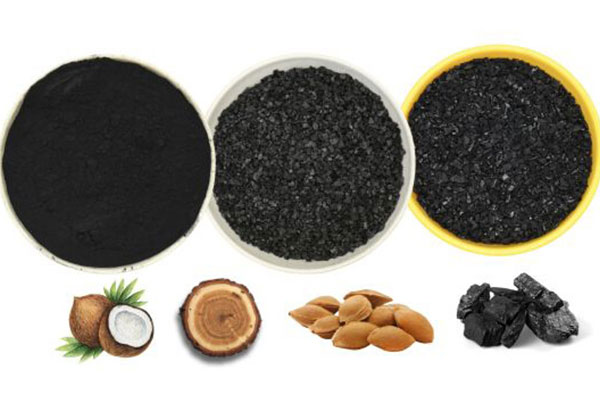
ctivated carbon is prepared from carbon-containing raw materials such as wood, coal and petroleum coke through pyrolysis and activation processing. It has a developed pore structure, a large specific surface area and rich surface chemical groups, and has strong
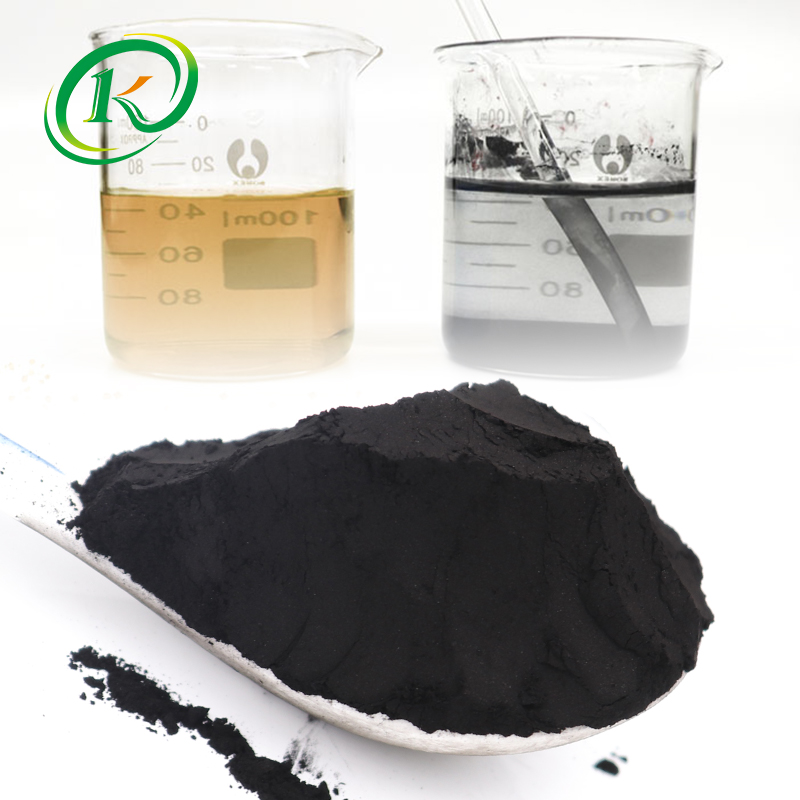
Powdered Activated Carbon (PAC) is the most widely used adsorption medium in liquid decolorization. With its large specific surface area and abundant microporous structure, it efficiently adsorbs and removes pigments, organic impurities, and odor compounds from liquid phases. In pharmaceuticals, food processing, chemicals, dyeing, and water treatment, PAC decolorization has become a critical step in ensuring product purity and appearance quality.
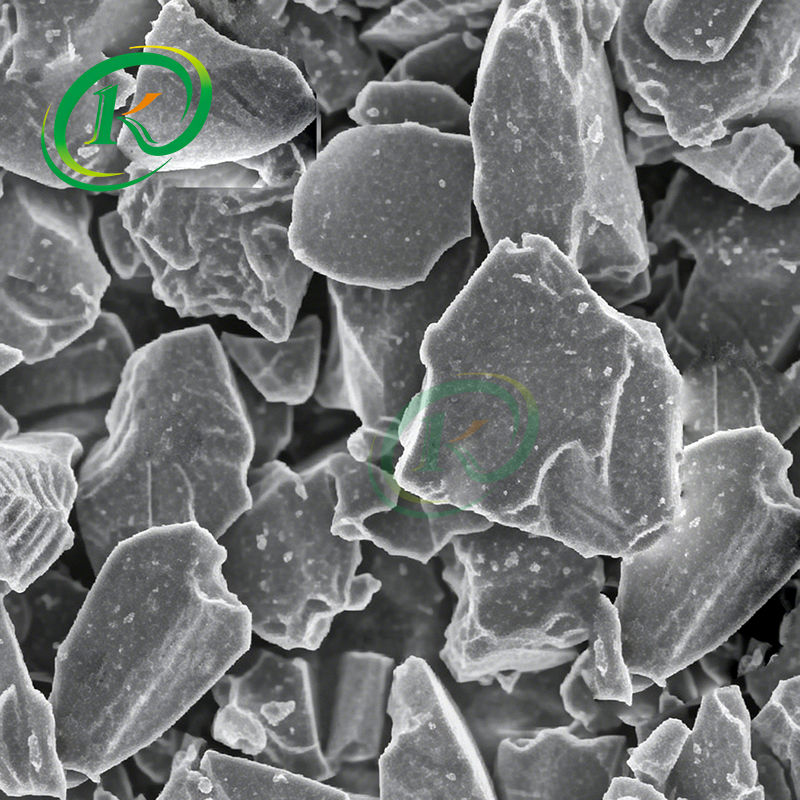
As silicon-carbon anodes become the mainstream solution for high-energy-density lithium batteries, silicon volume expansion during charge-discharge cycles remains a key industry bottleneck. Our silicon-carbon anode porous carbon — made from premium coconut shell biomass via advanced steam activation — effectively solves this problem as a core carrier and buffer material for silicon-carbon anode systems.
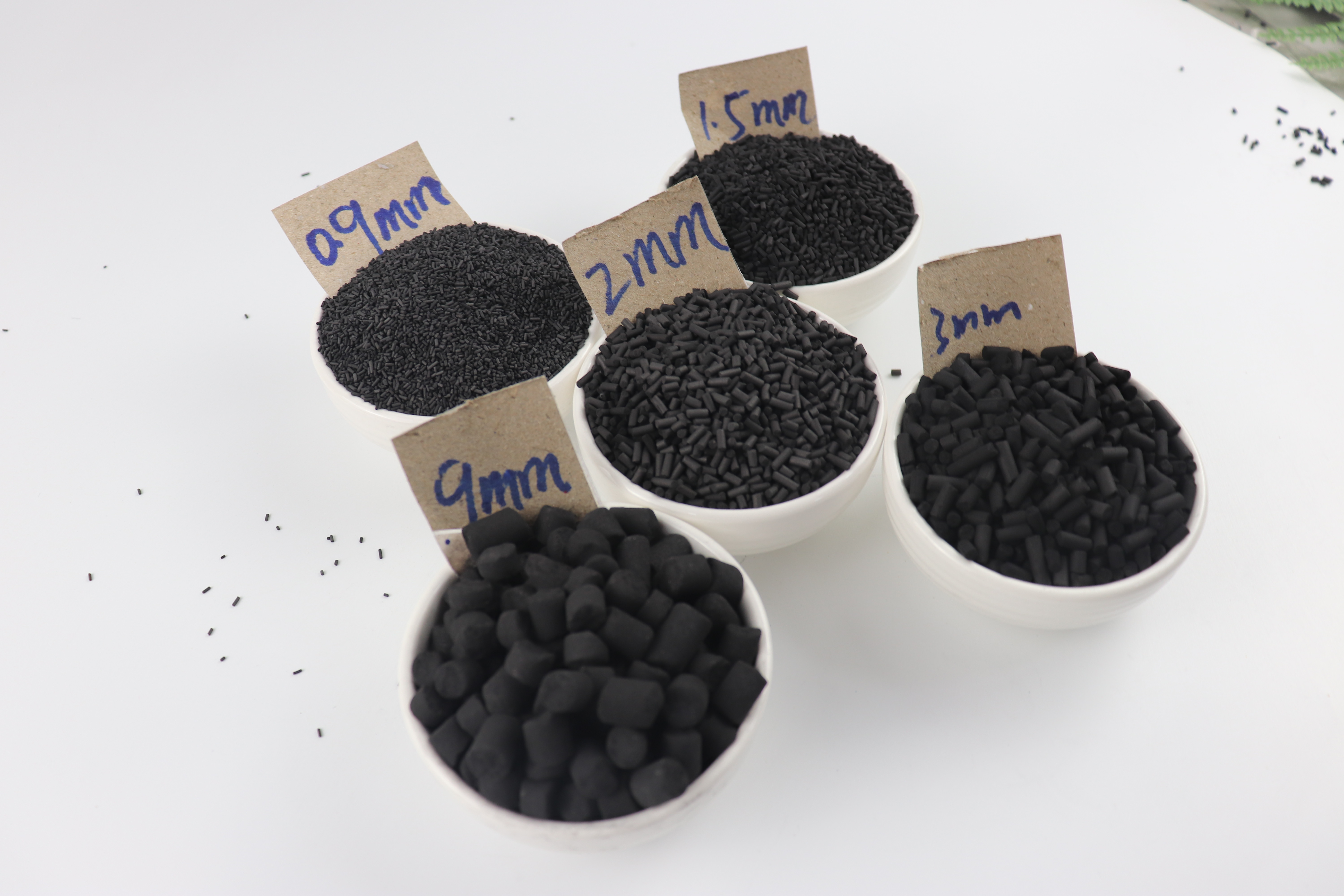
Activated carbon for water treatment is generally columnar particles with large specific surface area, developed micropores, high mechanical strength
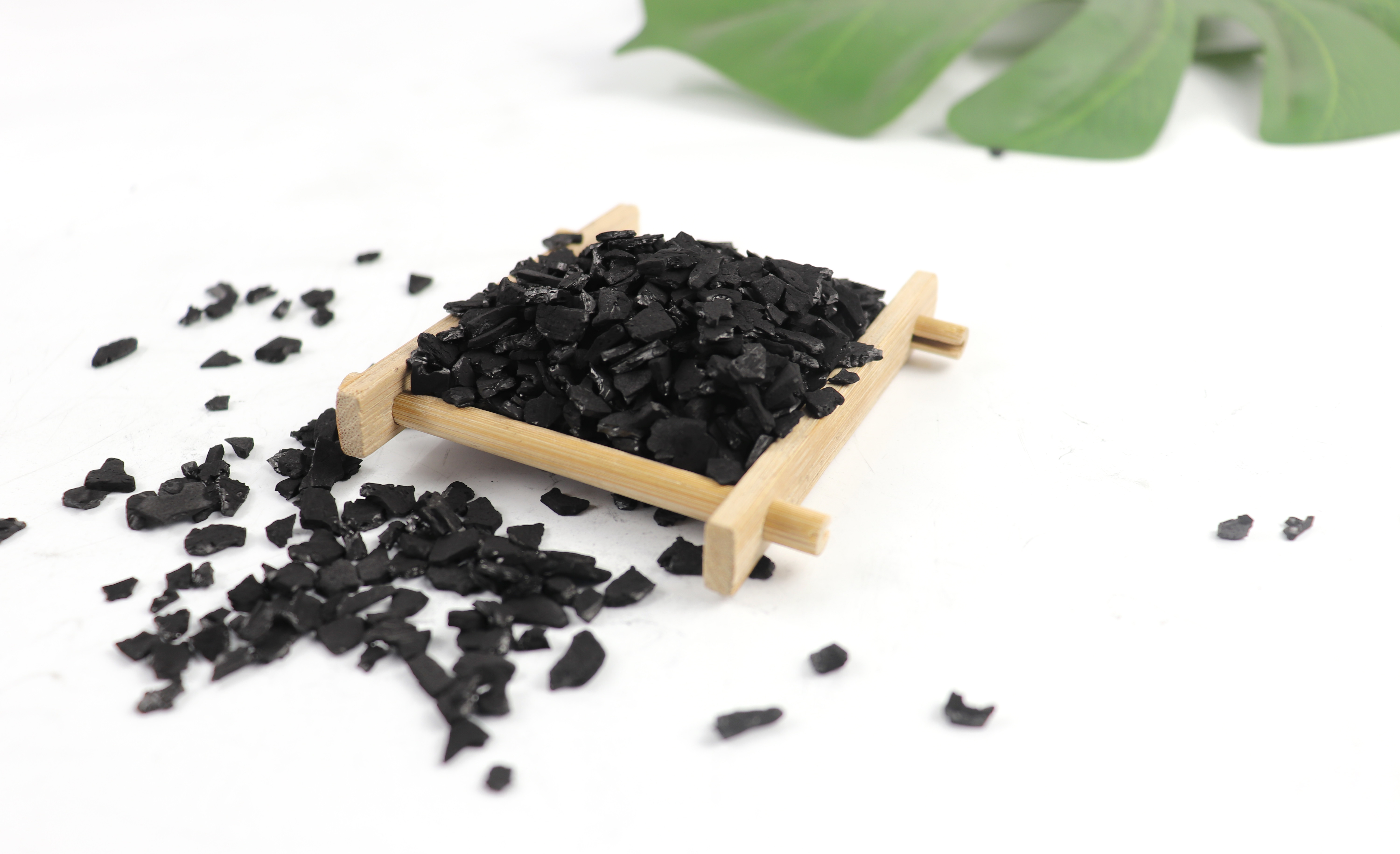
Water purification relies on activated carbon to remove contaminants through physical adsorption, chemical interaction, and catalytic reduction. Its high surface area (500–1500 m²/g) and porous structure trap impurities efficiently.
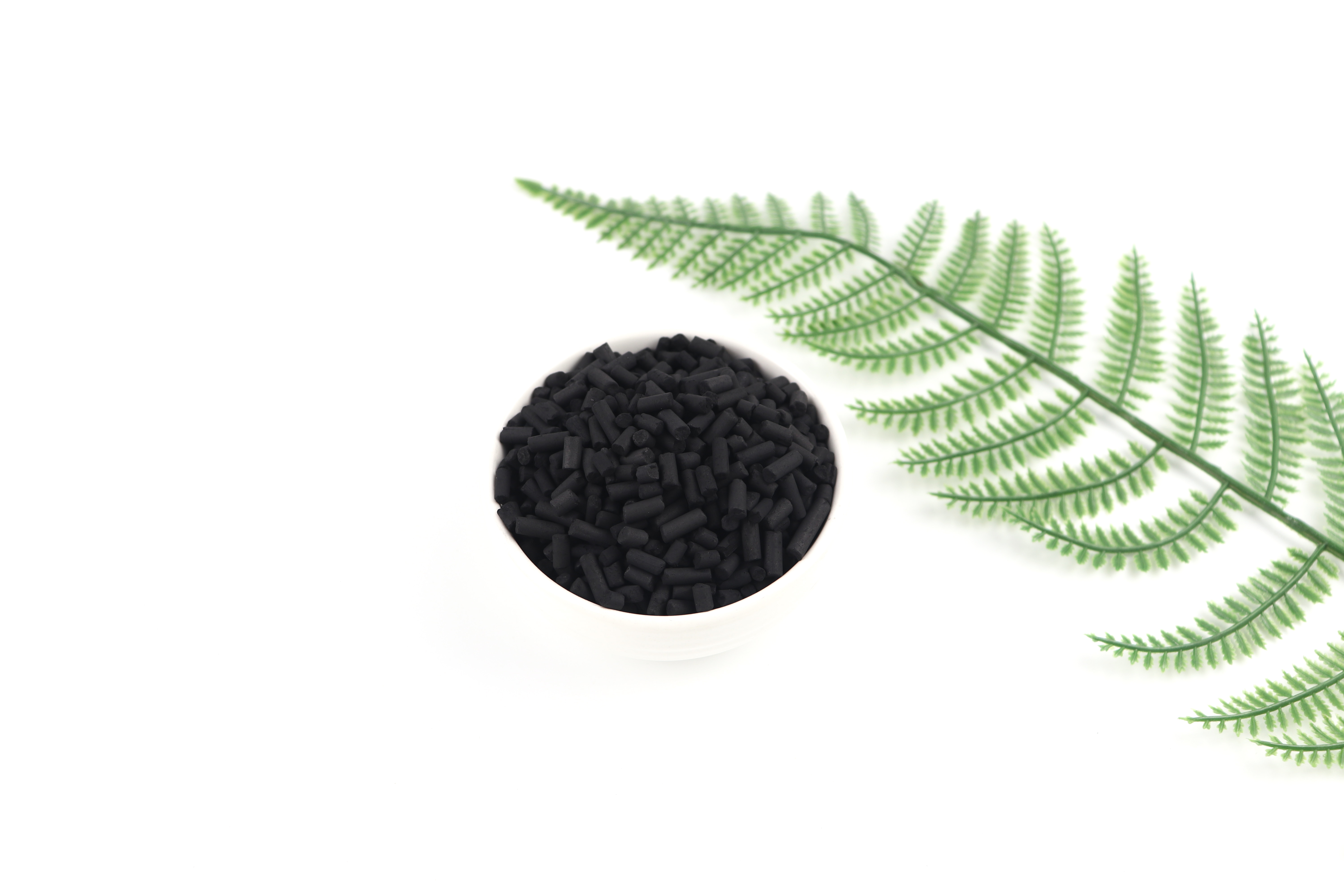
Once columnar activated carbon reaches adsorption saturation, its purification efficiency for waste gases or liquids declines significantly. Therefore, periodic replacement is crucial. Under standard industrial operating conditions, the typical replacement cycle ranges from 6 to 12 months; in certain applications, this cycle is longer than that of granular activated carbon, owing to the columnar form's superior mechanical strength and lower pressure drop characteristics.

Honeycomb activated carbon is a structured form of activated carbon manufactured into a monolithic block with numerous parallel, small square or circular channels. It is widely used in industrial exhaust gas treatment and air purification systems. The honeycomb structure significantly reduces resistance to airflow while providing a large geometric surface area and good mass transfer efficiency.
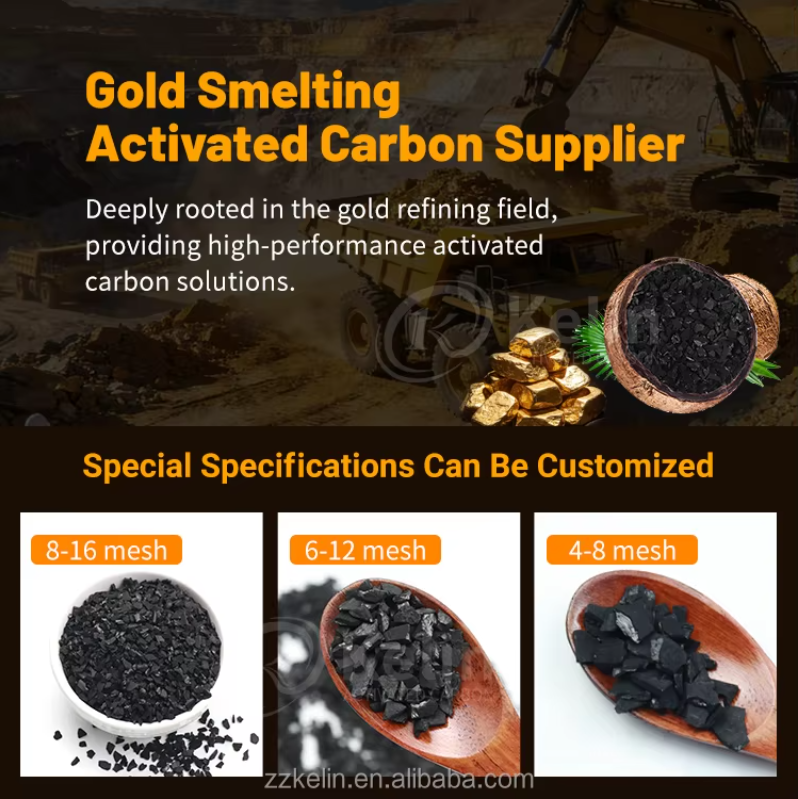
In gold mining, hydrometallurgy and precious metal recovery, coconut shell activated carbon enables efficient gold adsorption, high gold loading and low attrition loss. Its ultra-high hardness and developed microporous structure ensure selective trapping of gold cyanide complexes, greatly improving gold recovery rate and production efficiency.
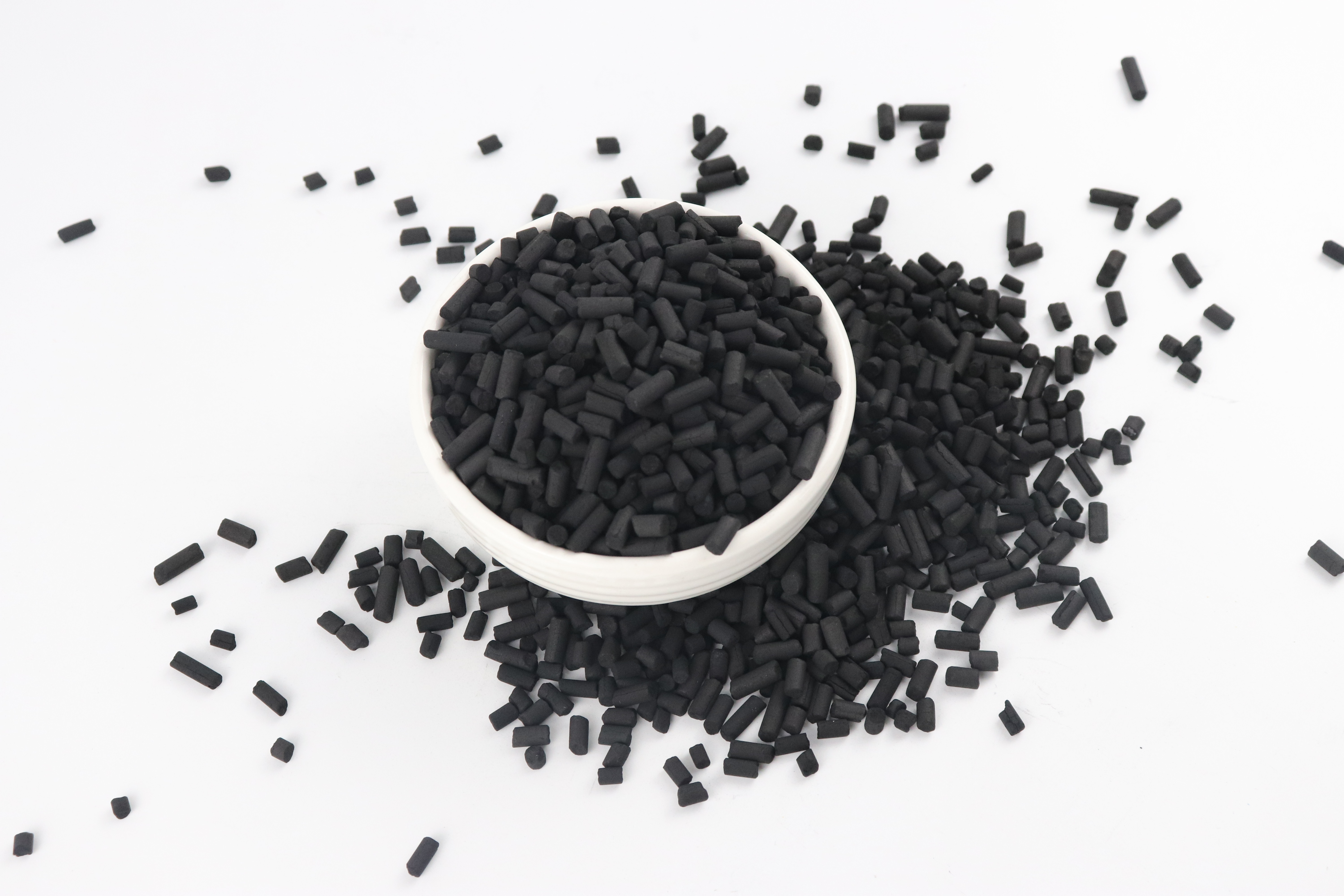
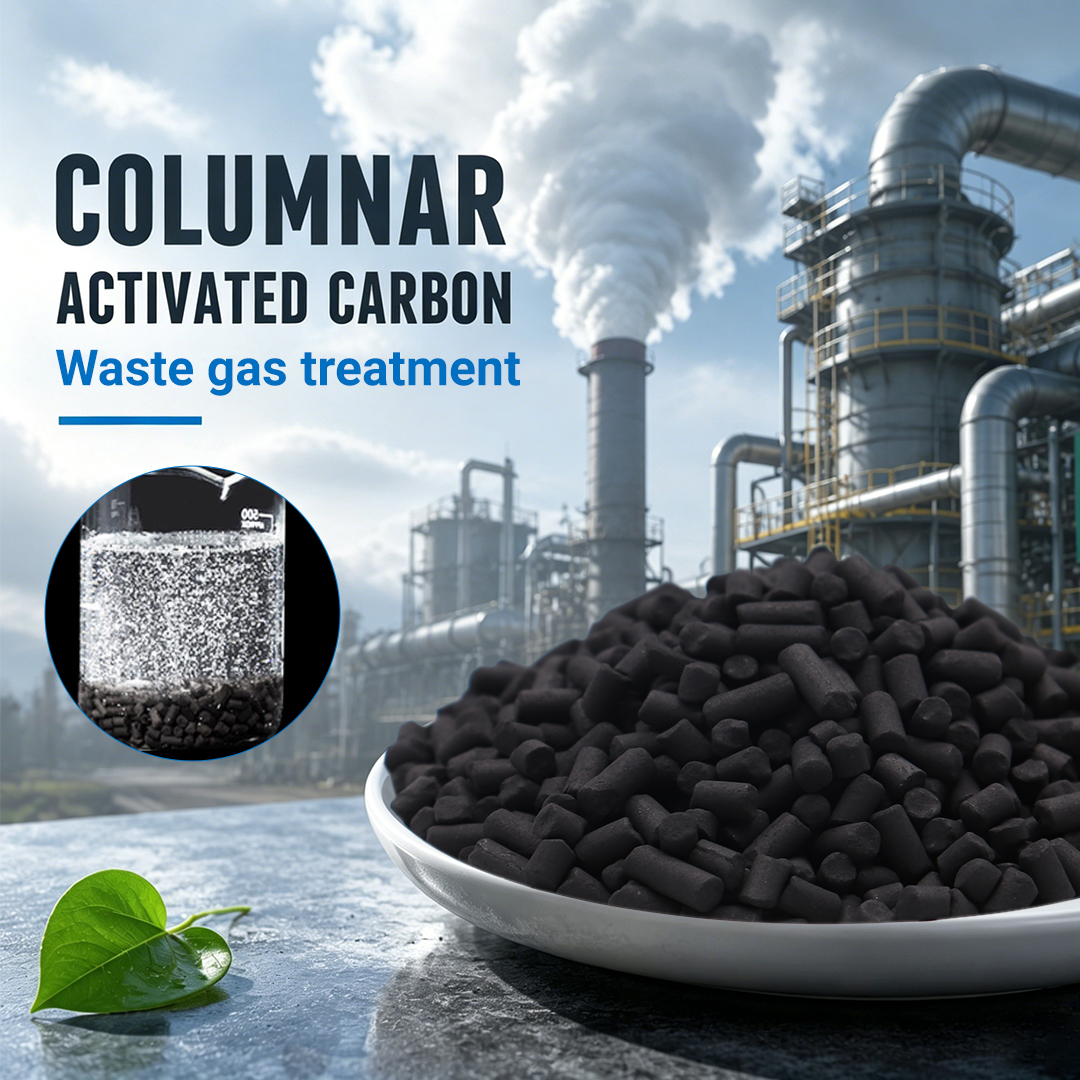
In industrial exhaust, spray booth, and flue gas treatment, columnar activated carbon enables simultaneous VOCs adsorption, odor removal, and harmful gas purification. Its high hardness and developed pore structure ensure efficient trapping of volatile organics and peculiar smell molecules, greatly optimizing air discharge standard and purification system stability.
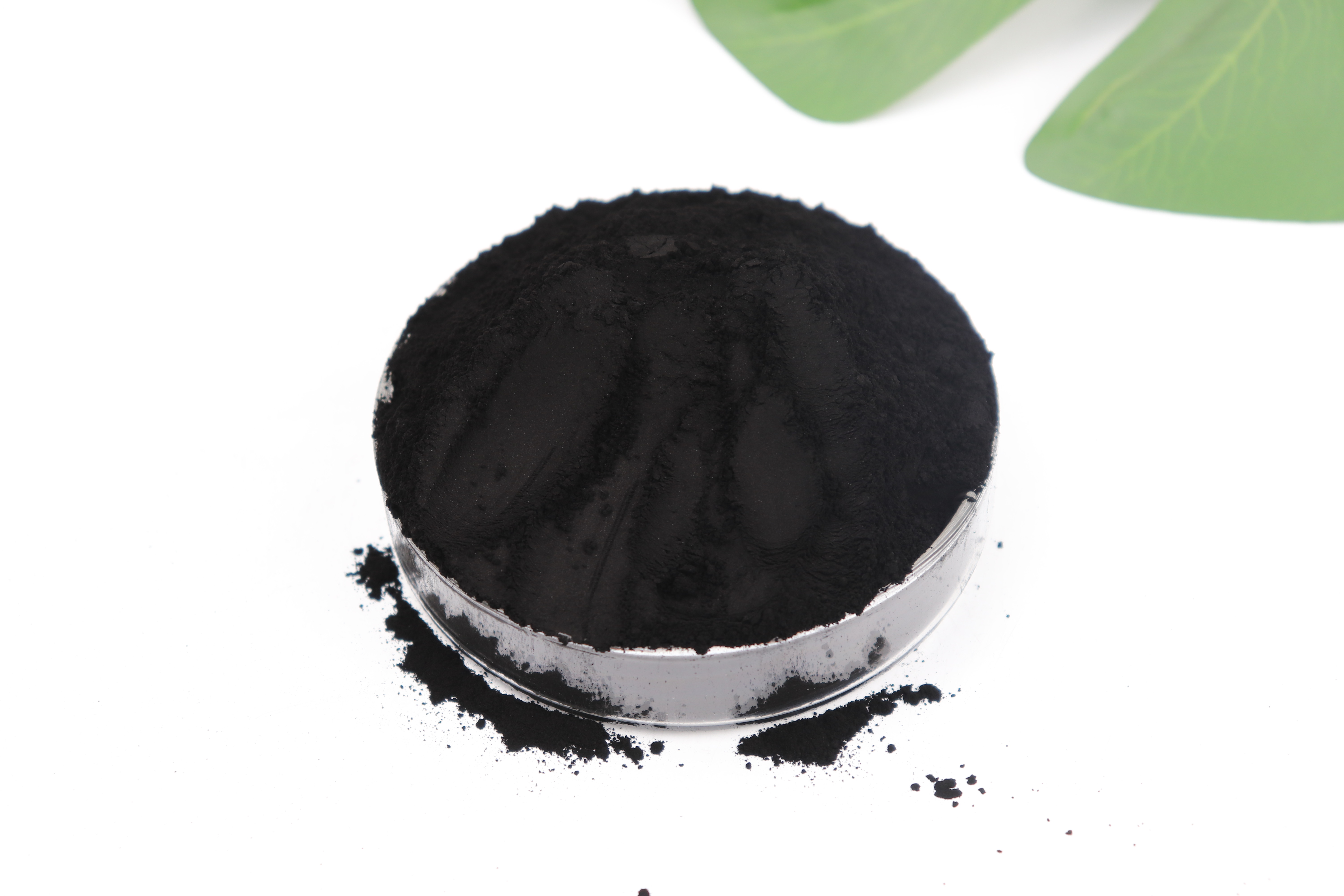
In dyeing, textile, and chemical wastewater treatment, powder activated carbon enables simultaneous decolorization, odor removal, and COD reduction. Its high iodine value and low ash content ensure rapid adsorption of dye molecules and refractory organics, significantly improving effluent quality and biotreatment stability.
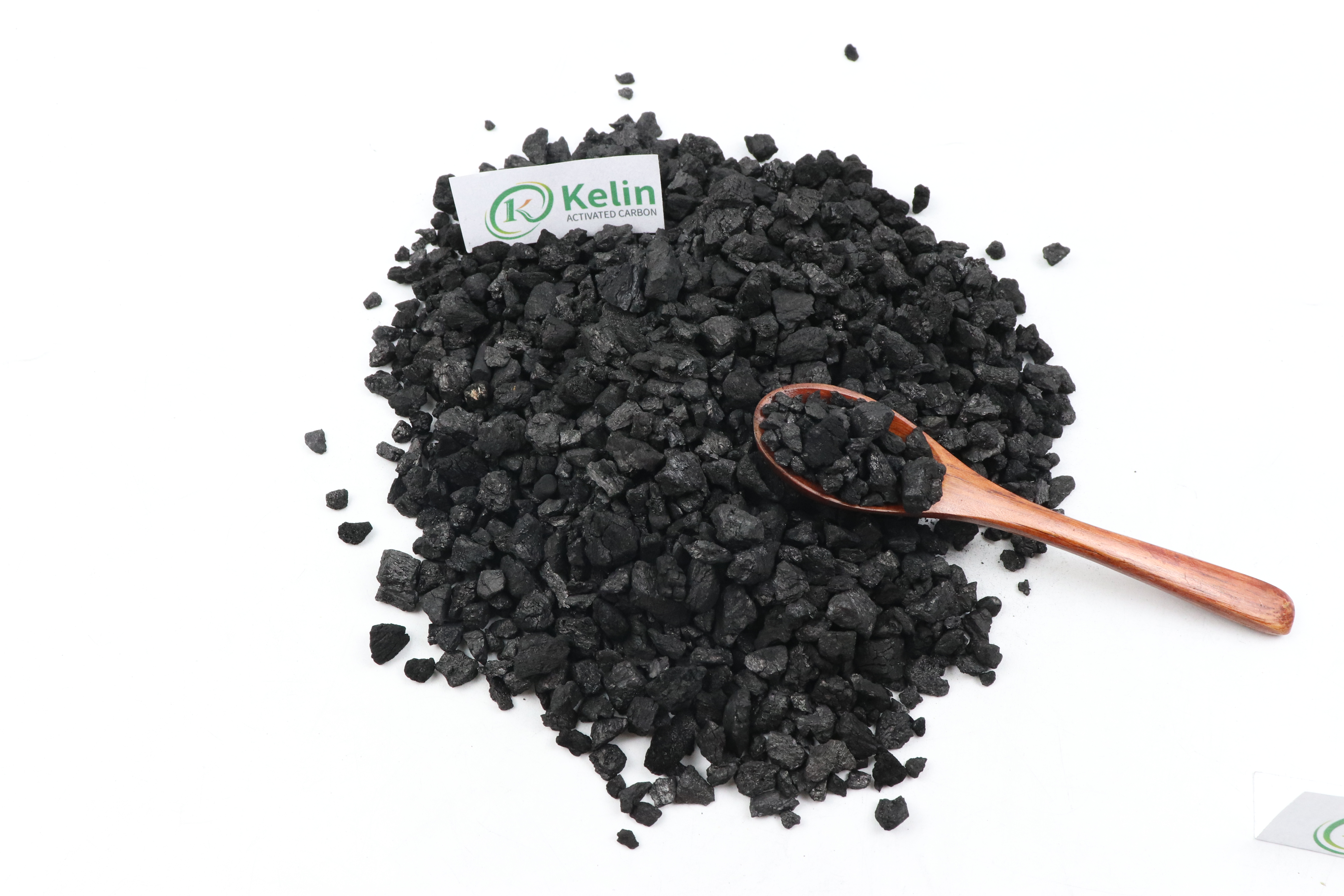
Ash content is one of the key indicators for evaluating the quality of coal-based granular activated carbon. Understanding how ash content affects adsorption performance, pressure drop, and operating costs allows for a more scientific selection of suitable products.

 Get Free Sample
 WhatsApp