
The role of activated carbon in the treatment of waste incineration flue gas is primarily based on physical adsorption, chemical adsorption, and catalytic action.
Its high specific surface area and porous structure enable the effective adsorption of harmful substances present in the flue gas, while its surface functional groups undergo chemical reactions with pollutants to form stable compounds, thereby further purifying the gas.
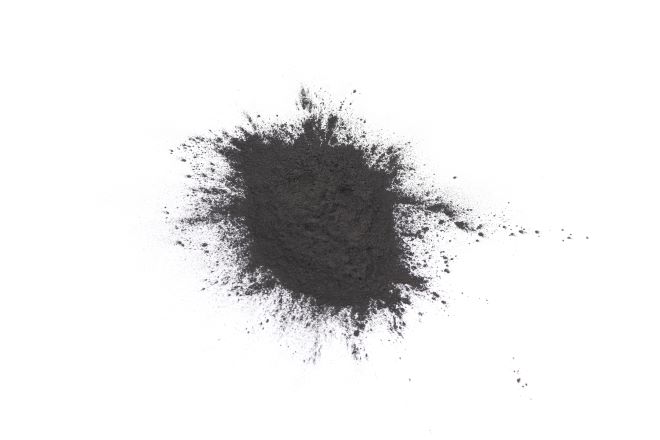
Adsorption of Toxic Gases: Leveraging its well-developed pore structure, steam activated carbon can efficiently adsorb toxic and harmful gases—such as dioxins and acidic gases—generated during waste incineration, thereby mitigating their environmental hazards.
Adsorption of Selected Heavy Metals: Activated carbon media exhibits excellent adsorption and immobilization capabilities for heavy metals such as mercury, lead, and cadmium, effectively reducing the pollution caused by the dispersion of heavy metals via flue gas.
Air Pollution Control: Purifying flue gas with high quality activated carbon can significantly control the emission of particulate matter and pollutants, serving as a crucial control measure for improving air quality in the vicinity of waste incineration facilities.

 Get Free Sample
 WhatsApp