1. Household Activated Carbon Determination Method
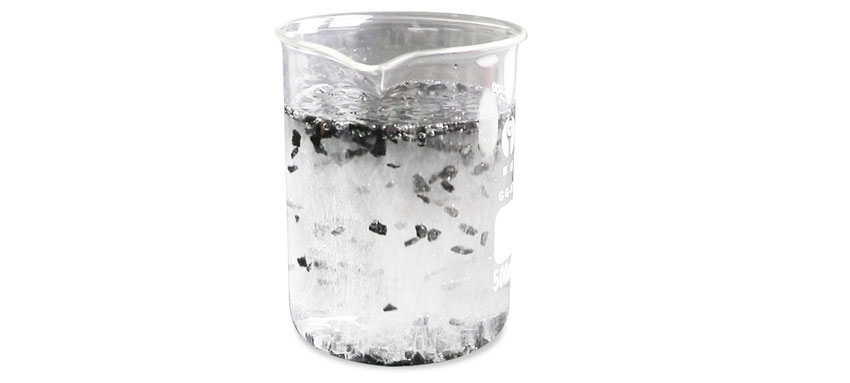
- Water Bubble Method: Place activated carbon in clean water. If no bubbles or only a few bubbles emerge, it indicates saturation.
- Odor and Sensory Determination: If an odor reappears or discomfort (such as eye irritation or throat irritation) occurs, it may indicate that the activated carbon has lost its adsorption capacity.
- Recommended Use Time: Under normal conditions, replacement is recommended every six months to one year. In heavily polluted areas, this should be shortened to three to six months.

2. Industrial Activated Carbon Determination Method
- Chemical Reagent Comparison Method: Mix activated carbon with a xanthate/methyl blue solution and compare the color of the solution before and after treatment. If the colors are similar, it indicates saturation.
- Instrumental Testing: A gas detector monitors the air outlet for pollutant concentrations exceeding the standard. A differential pressure gauge indicates a significant increase in gas flow resistance.
- Weight Change: Weigh the activated carbon regularly. If the weight gain stabilizes, it indicates saturation.
3. Saturation Treatment and Replacement Principles
Household activated carbon can be partially restored by exposing it to sunlight for 3-5 hours. However, after three reuses, its adsorption capacity will decrease by more than 50%.
Industrial granular activated carbon is often regenerated by high-temperature thermal regeneration or chemical cleaning, while honeycomb activated carbon is usually replaced directly.
Even if it is not fully saturated, a 30% decrease in adsorption efficiency is required.
Activated carbon contaminated with hazardous adsorbents (such as heavy metals) must be disposed of professionally.

 Get Free Sample
 WhatsApp