
Following impregnation, the material undergoes pyrolysis—heating to a temperature of approximately 400°C to 800°C—to decompose the cellulose. The specific temperature may vary depending on the type of activating agent employed. Finally, the activated carbon—the desired end product—is obtained by repeatedly washing the resulting mixture. Another common objective of this step is the recovery of the activating compound. Unlike thermal activation, in chemical activation, the processes of carbonization and activation occur simultaneously. This stands in contrast to thermal activation, where carbonization and activation are typically carried out in two separate furnaces.
Advantages of Chemically Activated Carbon
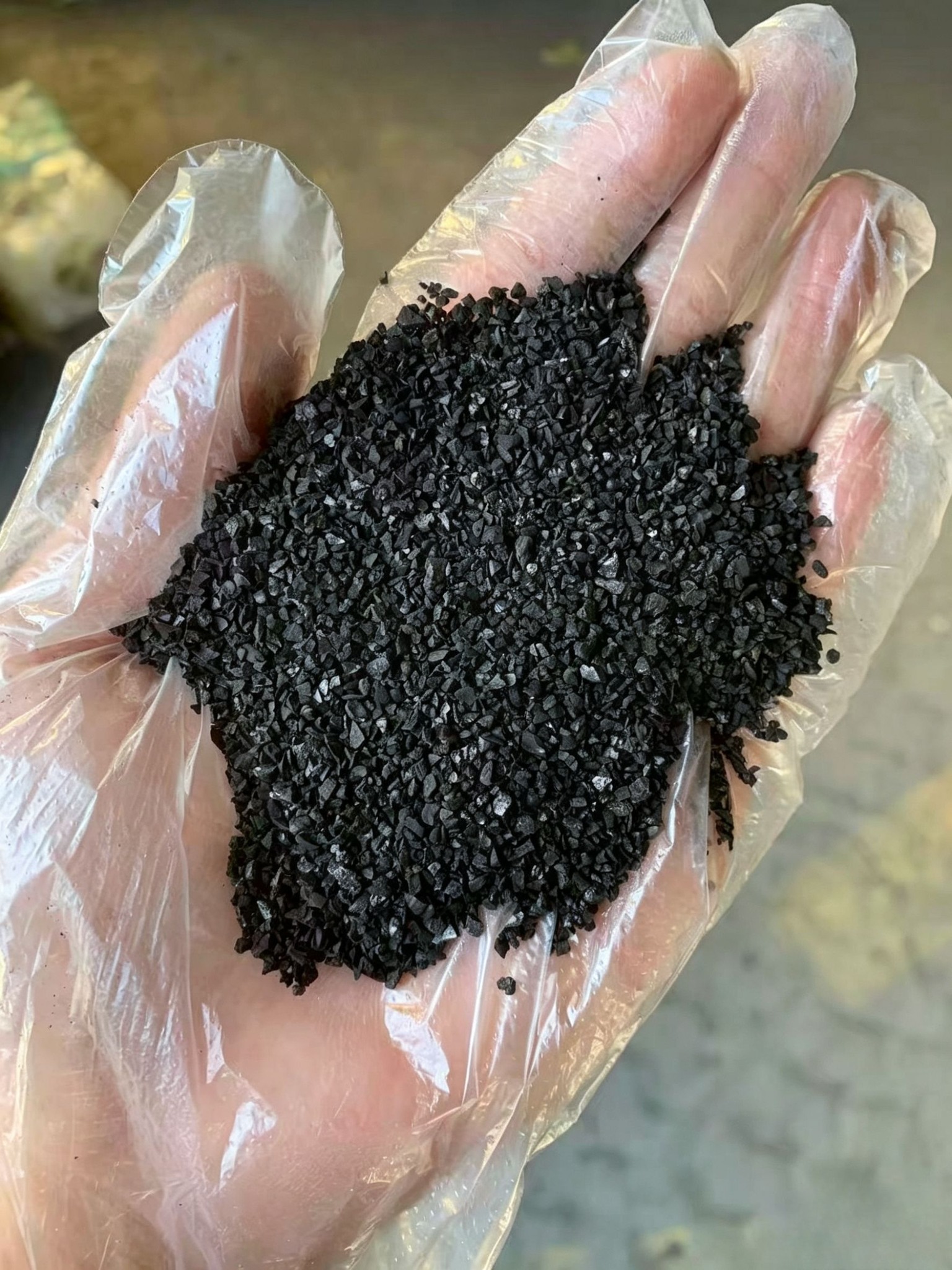
The advantages of chemical activation over physical activation include lower operating temperatures and shorter activation times. Chemical activation typically yields powdered activated carbon. Wood and sawdust are generally the preferred raw materials for producing powdered activated carbon using phosphoric acid. However, granular activated carbon can also be produced via chemical activation; to achieve this, granular raw materials are impregnated with the activating agent in the same manner as is done for the production of powdered activated carbon.
 Get Free Sample
 WhatsApp